-
311, Laxmideep Building, Nirman Vihar, New Delhi, India


Study in Canada
Study in Canada: Best Colleges, Programs, Fees, and Admission
Canada, a North American country in the western hemisphere, has consistently ranked among the top countries for studying over the past decade. The growing concept of global education has fueled Canada’s popularity as a favored destination for international students. Unlike the outdated educational systems of many countries, in Canada theoretical and practical training go hand in hand. Students are prepared to face challenges and solve problems through engaging internships. In short, the curricula of most undergraduate and postgraduate programs are designed to provide students with a comprehensive and analytical understanding of both technical and non-technical subjects.
Why Study in Canada?
If you are passionate
about receiving a state-of-the-art education—not just a degree—to make a
difference in both your academic and professional life, then look no further
than Canada. This North American country, located between the Atlantic Ocean,
Pacific Ocean, and Arctic Ocean, can be the perfect starting point for your
journey. Canada’s specially and thoughtfully designed education system blends
theory with research-based curricula, experiments, and hands-on practical
training, ensuring that students gain a deep understanding of their subjects
with attention to detail. This comprehensive approach to teaching and learning
prepares students for rewarding careers and offers excellent opportunities
worldwide. Here are a few more reasons why Canada has emerged as a top choice
for aspiring students around the globe.
- Multicultural & Inclusive Environment
- Work While Studying
- Post-Graduation Work Permit (PGWP)
- Pathway to Permanent Residency (PR)
- Industry-Relevant Learning & Co-op
Programs
- Safe and High Quality of Life
- Scholarships & Financial Support
Options
Best Colleges for UG and PG Programs in Canada
Canadian colleges and
universities are renowned globally for their exceptional standards of
education, supported by research and innovation. As most institutions continue
to provide students with opportunities to learn, grow, and thrive academically
and professionally, many Canadian colleges have earned global recognition and
prestige. These institutions are among the most popular in Canada, known not
only for their world-class infrastructure but also for integrating academic
learning with practical development, creating a holistic educational experience
that prepares students for both professional success and personal growth.
|
Institution |
Popular UG &
PG Programs |
Recognition /
Accreditation |
Approved By /
Notes |
|
University of
Toronto (UofT) |
Arts, Science,
Engineering, Business, Medicine |
Public university
recognized under Ontario law; Member of Universities Canada |
Degree-granting by
provincial charter & Universities Canada membership (quality assurance) |
|
University of
British Columbia (UBC) |
Computer Science,
Engineering, Business, Life Sciences |
Recognized public
research university; Member of Universities Canada |
Approved/chartered
by British Columbia; Universities Canada |
|
McGill University |
Medicine, Law,
Science, Engineering |
Public university in
Quebec; Member of Universities Canada |
Quebec
degree-granting authority; Universities Canada |
|
University of
Alberta |
Engineering,
Business, Health Sciences |
Public university;
Member of Universities Canada |
Alberta legislative
charter; Universities Canada |
|
University of
Waterloo |
Computer Science,
Engineering, Math |
Public research
university; Member of Universities Canada |
Ontario charter;
Universities Canada |
|
McMaster University |
Health Sciences,
Engineering, Business |
Public university;
Member of Universities Canada |
Ontario charter;
Universities Canada |
|
Western University |
Social Sciences,
Engineering, Business |
Public university;
Member of Universities Canada |
Ontario charter;
Universities Canada |
|
Queen’s University |
Arts & Sciences,
Business, Engineering |
Public university;
Member of Universities Canada |
Ontario charter;
Universities Canada |
|
University of
Calgary |
Energy, Business,
Engineering |
Public university;
Member of Universities Canada |
Alberta charter;
Universities Canada |
Popular UG and PG Programs with Fees and Colleges in Canada
Most certified
undergraduate and postgraduate programs in Canada take between 2 to 4 years to
complete. Regardless of the program you choose, you will undergo an intensive
curriculum and training sessions during your course of study. While program
fees vary depending on the selected college, students are allowed to work
part-time to support their studies financially. To give you an idea of the cost
of education for your preferred program in Canada, we have compiled a list of
popular programs along with their fees.
|
Program / Field |
Level |
Example
Universities / Colleges |
Approx. Tuition
Fees (per year) |
|
Computer Science /
IT |
UG
PG |
University of
Toronto, UBC, University of Alberta, McGill University UBC, McGill,
University of Waterloo, University of Alberta, University of Calgary |
~CAD 28,000 – 50,000
~CAD 20,000 – 45,000 |
|
Engineering (All
Disciplines) |
UG
PG |
U of British
Columbia, U of Toronto, McGill, University of Alberta U of Calgary, U of
Toronto, McMaster University |
~CAD 25,000 – 48,000
~CAD 20,000 – 45,000 |
|
Business &
Management (BBA / BCom) |
UG
PG (MBA / MSc) |
Ryerson University,
George Brown College, Mount Saint Vincent University University of
Toronto, UBC, McGill, York University, University of Calgary |
~CAD 18,000 – 35,000
~CAD 25,000 –
55,000+ |
|
Hospitality &
Tourism Management |
UG
PG |
George Brown
College, Algonquin College, Royal Roads University Various colleges (PG
diplomas in hospitality) |
~CAD 18,000 – 24,000
~CAD 15,000 – 25,000 |
Scholarships for International Students in Canada
Canada’s popularity as
a preferred educational destination goes beyond academic excellence. It also
includes financial assistance for talented students, which sets the country
apart globally. If you think studying in Canada is beyond your budget, you will
be glad to know that both government and private scholarships are available for
international students. While scholarships are only awarded to eligible and
deserving candidates, applying for them makes sense, as they can cover part or
even all of your tuition fees. These are just a few of the many scholarships
available to international students in Canada.
|
Scholarship Name |
Level of Study |
Approx. Value |
Coverage / Notes |
|
Vanier Canada
Graduate Scholarships |
PhD |
~CAD 50,000/year
(₹30–31 Lac approx) |
Government
scholarship; for doctoral research; 3 years |
|
Lester B. Pearson
International Scholarships (Univ. of Toronto) |
Undergraduate |
Full Tuition +
Residence + Books |
Highly competitive
full-ride award |
|
International Major
Entrance Scholarships (UBC) |
Undergraduate |
CAD
10,000–20,000/year (₹6–12 Lac) |
Renewable up to 3–4
years |
|
Outstanding
International Student Award (UBC) |
Undergraduate/Graduate |
CAD 10,000–25,000
(₹6–15 Lac) |
One-time merit award |
|
University of
Calgary International Entrance Scholarship |
Undergraduate |
Up to CAD 60,000
total (₹36–37 Lac) |
For high-achieving
international students |
|
York University
International Student Scholarships |
Undergraduate |
Up to CAD 180,000
total (₹108 Lac) |
Top merit award over
4 years |
Cost of Living for International Students in Canada
While Canada is one of
the most economically developed countries in North America, it is not among the
most affordable. Known for its high standard of living and comfortable
lifestyle, the cost of living for international students can be high, but there
are ways to make it more manageable. Sharing accommodation with other students
and preparing meals on your own can be very helpful. Additionally, part-time
jobs are readily available to help students support their expenses. Below is a
quick overview of the cost of living for international students in Canada.
|
Expense Category |
Monthly Cost
(CAD) |
Monthly Cost (INR
approx) |
Annual Cost (CAD) |
Annual Cost (INR
approx) |
|
Accommodation
(shared / off-campus) |
700 – 1,500 |
₹42,000 – ₹93,000 |
8,400 – 18,000 |
₹5,00,000 –
₹11,10,000 |
|
Food & Groceries |
300 – 600 |
₹18,000 – ₹37,000 |
3,600 – 7,200 |
₹2,16,000 –
₹4,46,000 |
|
Transportation |
80 – 150 |
₹4,800 – ₹9,300 |
960 – 1,800 |
₹57,600 – ₹1,12,000 |
|
Utilities &
Internet |
150 – 300 |
₹9,000 – ₹18,600 |
1,800 – 3,600 |
₹1,08,000 –
₹2,23,000 |
|
Health Insurance |
50 – 100 |
₹3,000 – ₹6,200 |
600 – 1,200 |
₹36,000 – ₹74,000 |
|
Academic Supplies /
Books |
50 – 100 |
₹3,000 – ₹6,200 |
600 – 1,200 |
₹36,000 – ₹74,000 |
Admission and Eligibility Criteria for Studying in Canada
Students who have
completed their school and undergraduate education from any recognized board or
university are eligible to study in Canada. However, applicants are required to
demonstrate proficiency in the English language and problem-solving skills, which
typically involves taking tests such as TOEFL and GRE/GMAT. Final admission to
any undergraduate or postgraduate program in Canada is also subject to
interviews, meeting various terms and conditions, and fulfilling legal
requirements. Here is a detailed overview of the admission and eligibility
criteria for studying in Canada.
|
Criteria |
Undergraduate
(UG) Programs |
Postgraduate (PG)
Programs |
|
Academic
Qualification |
Completion of
secondary/high school (Grade 12 or equivalent) |
Completion of a
recognized bachelor’s degree |
|
Minimum Academic
Score |
Typically 60–75%
(varies by university & program) |
Usually 65–75%
(higher for competitive programs) |
|
English Language
Proficiency |
IELTS: 6.0–6.5 (no
band <5.5–6.0) TOEFL iBT: 80–90 |
IELTS: 6.5–7.0 (no
band <6.0) TOEFL iBT: 90–100 |
|
Standardized Tests |
Generally not
required (SAT/ACT optional for some universities) |
GMAT (for
MBA/business) GRE (for
engineering/science – some programs) |
|
Statement of Purpose
(SOP) |
Required by many
institutions |
Mandatory for most
PG programs |
|
Letters of
Recommendation (LORs) |
Usually not required
(some universities may ask) |
Typically 2–3
academic/professional LORs |
|
Relevant Work
Experience |
Not required |
Preferred or
required for MBA, management, professional programs |
|
Age Requirement |
Generally 17 years
or older |
No strict age limit
(recent graduates preferred) |
|
Proof of Funds |
Required for visa
(tuition + living expenses) |
Required for visa
(tuition + living expenses) |
|
Medical & Police
Clearance |
Required for study
permit |
Required for study
permit |
|
Study Permit (Visa) |
Mandatory after
receiving Letter of Acceptance (LOA) |
Mandatory after
receiving Letter of Acceptance (LOA) |
How to Apply for Study in Canada from India
My Fly Board, a
certified international career consultancy, was established with the specific
purpose of helping students’ study in Canada, the US, the UK, Australia, and
many other European countries. Since Canada tops the list of the world’s best
destinations for studying abroad, millions of students dream of starting their
higher education journey there, making admission to top colleges highly
competitive. That’s where we come in—assisting students at every stage of the
selection and immigration process. To help you apply to study in Canada from
India or anywhere else in the world, we have outlined the steps in the table
below.
|
Step |
Action |
Note |
|
1 |
Choose Your Course
and Institution |
According to your
current or previous academic record, decide what you want to do and choose
the college that offer the program you are interested in. |
|
2 |
Check Eligibility
Requirements |
Securing a seat in
any college of Canada is subject to some strict and non-negotiable
eligibility and admission criteria. So, make sure your meet each term of
admission. |
|
3 |
Take an English
Language Test |
Canada is the
English-speaking County. Hence, proficiency in all three modes of English is
important: writing, reading, speaking. |
|
4 |
Apply to Canadian
Institutions |
Before applying to
any university, makes sure you have the academic transcripts, English test
score, statement of purpose, and CV to submit for admission. |
|
5 |
Receive the offer
letter |
If everything goes
well, you will receive a offer letter which often means you need to make pay
the partial or full tuition fee within the given deadlines. |
|
6 |
Arrange financial
documents |
Now it is time to
meet the immigration requirement that includes showing and submitting the
admission letter, bank statement, and other required documents. |
|
7 |
Apply for the Canada
Study Permit |
In order to get the
student visa of Canada, you need to contact the Canadian Embassy in New Delhi
along with all the required documents including letter of acceptance,
passport, proof of funds, medical reports, biometrics etc. |
|
8 |
Prepare for the
departure |
As you have already
got the admission in a Canadian University, it is time to make the
arrangement for departure. |
|
9 |
Arrive and report to
the university |
After the reaching
the Canada (your study destination), you need to report to the university and
proceed with them to start the classes. |

Partner University
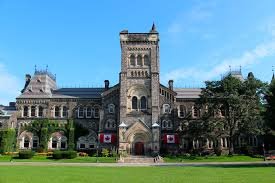
University of Toronto (U of T)
27 King's College Cir, Toronto, ON M5S 1A1 , Canada
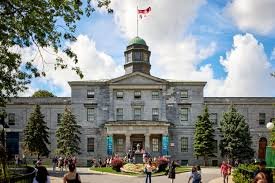
McGill University
845 Sherbrooke St W, Montreal, Quebec H3A 0G4 , Canada
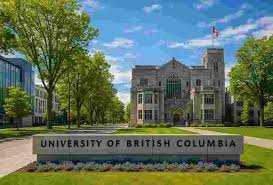
University of British Columbia (UBC)
2329 West Mall, Vancouver, BC V6T 1Z4 , Canada
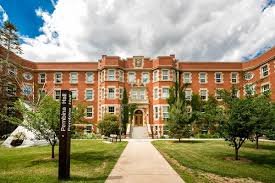
University of Alberta
116 St & 85 Ave, Edmonton, AB T6G 2R3 , Canada
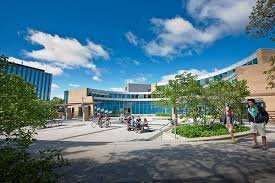
University of Waterloo
200 University Ave W, Waterloo, ON N2L 3G1 , Canada


-
Email Address:
info@myflyboard.com
-
Phone Number
+91 9818024841
-
Our Address
311, Laxmideep Building,
Nirman Vihar, New Delhi, India