-
311, Laxmideep Building, Nirman Vihar, New Delhi, India


Study in Germany
Study in Germany: Universities, Courses, Costs, Scholarships & Work Opportunities
Germany is a
technology-driven country located in Central Europe and is economically the
fourth largest among the various countries worldwide. Also, due to its diverse
geographical structures and amicable and student-friendly environment it is the
most preferred study-abroad destination for international students. There are
many best courses to study in Germany and offers affordable courses in every
stream.
Due to the world-class
universities, strong economy, and excellent post-study work opportunities. German
universities for international students attract more than 5 lakhs students
every year and the graph keeps on rising.
In this detailed
guide, every single detail about studying in Germany, including
universities, popular courses, costs, scholarships, admission requirements, and
job opportunities will help students to take admission.
Why Are The Core Benefits Of Studying In Germany For International Students
German universities
are globally recognized for
its high-quality education system and learning policies. And, the amazing job
prospects worldwide, students can find all the courses offered here result and
career oriented.
Here are the top
reasons why students choose Germany as their higher education land:
1. Education System
is organized and industry-oriented:
The German
universities are globally respected for their research and innovative education
system that make every student job ready.
2. Affordable Cost
of studying in Germany
Most public
universities in Germany offer affordable tuition/semester fees, even for
international students that may fall between €250–€450.
3. Globally
Accredited Degrees
German degrees are
worldwide recognized for its excellence in the field of engineering,
healthcare, technology, and management fields under several programs in UG, PG
and P.HD.
4. Strong Job
prospects within and outside the country
Students after the
course’s completion find great jobs in the field of engineering, Law, IT,
healthcare, data science, and management.
5. Improved living
standards and safety for students
Germany has the safest cities, with great public transport facilities and standard amenities, that not only improves the living standards but also makes them enjoy the ambience. This relaxes their day-to-day routines and gives complete peace of mind.
Best German Universities And Study Programs For International Students
|
University |
Name of City |
Popular Programs
Offered |
|
Technical University
of Munich (TUM) |
Munich |
B.E, IT, Natural
Sciences, Design & Architecture, MBA, Data Engineering and Analytics.
B.SC, M.SC, Medical Engineering |
|
Ludwig Maximilian
University of Munich (LMU) |
Munich |
Data Science,
Software Engineering (Elite Program), Biochemistry, Astrophysics, Medicine
& Life Sciences, Humanities, Social Sciences, Law, Economics &
Business |
|
Heidelberg
University |
Heidelberg |
Medicine, Natural
Sciences, Life Sciences, Economics, Humanities |
|
RWTH Aachen
University |
Aachen |
Bachelor &
Masters in Engineering (Mechanical, Automotive), Computer Science, Data
Science, Architecture |
|
Free University of
Berlin |
Berlin |
Political Science,
Humanities, Social Sciences, Biology & Molecular Medicine |
|
Karlsruhe Institute
of Technology (KIT) |
Karlsruhe |
Engineering(Mechanical,
electrical, Computer Science), Natural Sciences, Business
administration & Economics |
|
Humboldt University
of Berlin |
Berlin |
Arts &
Humanities, Social Sciences, Natural Sciences, Cultural Studies |
|
Technical University
of Berlin (TU Berlin) |
Berlin |
Engineering,
Computer Science, IT & Planning Sciences, Business & Management |
|
University of
Freiburg (Albert-Ludwigs) |
Freiburg |
Sciences &
Environmental Sciences, Medicine, Humanities, Biology & Computer Science |
|
University of
Hamburg |
Hamburg |
Social Sciences,
Natural Sciences, Finance & Economics, Psychology & English-taught
Master’s programs |
Main UG & PG Popular Courses to Study in Germany & Career Opportunities
German universities
for international students
offer more than 450 courses across all the streams that target the technical
and non-technical both. It
includes business. Law & ethics, engineering & technology, data
analytics & data science and many others.
Below are the best courses to study in Germany in UG & PG programs enrolled into the universities there:
|
Main Course UG/PG |
Stream of Course |
Main Job Roles |
Average Salary
Package Range (€/Yearly |
|
UG |
Mechanical
Engineering |
Offers lead roles
into Mechanical Engineer, Design Engineer, Automotive Engineer and others |
€42,000 – €75,000 |
|
UG |
Electrical
Engineering |
Mainly places
students at Electrical Engineer, Power Systems Engineer, Automation Engineer |
€49,000 – €72,000 |
|
UG |
Computer Science /
IT |
As a Software
Developer, System Analyst, Web Developer |
€53,000 – €95,000 |
|
UG |
Business
Administration |
As a Business
Analyst, Operations Executive, Management Trainee |
€50,000 – €60,000 |
|
UG |
Civil Engineering |
Executive roles for
Civil Engineer, Structural Engineer, Site Manager |
€45,000 – €65,000 |
|
PG |
Mechanical
Engineering (MS) |
Offers roles on
Senior Mechanical Engineer, R&D Engineer, Project Manager |
€61,000 – €86,000 |
|
PG |
Electrical &
Electronics Engineering |
Embedded Systems
Engineer, Robotics Engineer, Renewable Energy Engineer, Automation Specialist |
€62,000 – €90,000 |
|
PG |
Data Science / AI |
Data Scientist, AI
Engineer, Machine Learning Specialist |
€65,000 – €100,000 |
|
PG |
MBA / Management |
Management
Consultant, Business Analysts, Entrepreneurships, Business Manager,
Strategy Analyst |
€70,000 – €110,000 |
|
PG |
Automotive
Engineering |
Automotive Design
Engineer, Quality Engineer, Automotive Sales Engineer, EV Specialist, Testing
Engineer |
€65,000 – €95,000 |
|
PG |
Biotechnology / Life
Sciences |
Research Assistant,
Lab Technician, Scientist. Bioinformatics Analyst, Lab Manager |
€55,000 – €80,000 |
|
PG |
Civil &
Infrastructure Engineering |
Project Engineer,
Urban Planner, Quantity Surveyor, Construction Manager |
€60,000 – €85,000 |
Cost of Studying in Germany: Calculation for Tuition Fees & Living Expenses
Now, figuring out how much it costs to study in Germany usually takes over the living expenses with yearly tuition fees across the university programs. What you pay depends on where you enrol and what you take in Germany. Any student needs to know the approximate cost of studying in Germany per year as per their course selections as well as the other living expenses. As, these expenses can give them a rough idea on the daily expenses management before planning for their higher studies.
Below are the approximate figures of total expenses on semester fees and the living/ miscellaneous:
|
Expenses Category |
Approximate Cost
Range (€/Year) |
|
Tuition Fees/year,
may vary as per university and courses |
€10,000 – €45,000 |
|
Coverage for Health
Insurance |
€1,000 – €1,600 |
|
Most Accommodation
options (Shared/Student Dorm) |
€3,000 – €12,000 |
|
Food &
Groceries, assets and others |
€2,400 – €3,600 |
|
Public/private
Transport (Student Ticket) |
€200 – €600 |
|
Books & Study
Materials and other expenses |
€200 – €060 |
|
Personal expenses
like social life & personal maintenance |
€2,000 – €4,000 |
|
Average Cost
estimation |
€25,000 – €35,000+ |
Scholarships In Germany For International Students Explained
Many government
universities in Germany have various scholarship categories to support
international students. That waives their semesters expenses as well as some
part of living expenses to support them financially. And eligible students can
apply for their scholarship through the online application through the website
and portals of the universities.
And, here is the scholarships in universities and benefits to the students:
|
Scholarship
Program |
Coverage /
Benefits |
|
DAAD Scholarships |
€ 992 to € 1,300 for
doctoral/PhD students: Includes Tuition fees, living costs, travel allowance |
|
Deutschlandstipendium |
€300 per month
(living support) |
|
Erasmus+ |
Tuition waiver +
study/travel stipend |
|
Heinrich Böll
Foundation |
Living expenses
support |
|
Friedrich Ebert
Stiftung |
€934 -1.200 € per
month + Monthly allowance (living support) |
How To Get Admission To Study In German Universities?
There is a very
simplified process of admission throughout different university and chosen
program, but common requirements include:
The Requirements are:
- Student must have a Bachelor’s degree for
Master’s programs enrolment
- 12+ years of education for Bachelor’s
programs with good scores.
- English language test IELTS (6.0–6.5) or
TOEFL
- A mandatory German-taught programs from
TestDaF or DSH
- Letters of Statement of Purpose (SOP)
- Letters of Recommendation (LORs)
- Resume/CV
- APS Certificate ( in case of any Indian
students)
Now here is a complete application Process to Study in Germany
- Students seeking admission must go through
the website’s portal to choose their course and university.
- Ensure the eligibility criteria like
academic records
- English and German language requirements
- Apply via universities portal
- Receive admission letter
- Open a blocked account
- Apply for German student visa
- Plan to visit Germany and register
residence
Requirement of Language for Entry Level: English vs German-Taught Programs
- English-taught programs for the
master’s level includes IELTS/ TOEFL score of (6.0 –7.0).
- German language passing exams are TestDaF,
DSH, or Goethe-Zertifikat at level B1, B2, or C1 for the international
students.
- Students get the right language pathway
through their course options.
- Studying in Germany makes students
proficient in the basic German language and it helps to find them the part
time job offers.
How Students Get Post-Study Work & Visa Pathways In Germany?
After the course completion/ post study in Germany students get a clear post-study work and visa pathway. This helps the international graduates to to work and reside by work visa extension.
Here are some
top-pointers to get the desired option:
- After study completion job Search Visa is
valid for 18 months
Once an international student passes from any recognized university and gets a degree from a German university, He/she will be eligible to apply for an 18-month residence permit. This helps students to find a job inside the residing city. During this period, graduates are also allowed to work in any role to get financial support. - Student gets their relevant Job Offer in
their respective areas
Students are authorized for their job search visa to work visa permit in case they get a valid job offer with any company in their respective area of qualification. Additionally, students get vast opportunities in leadership roles in business, IT, software development and engineering with the lucrative salaries. - EU Blue Card permits
Getting an EU Blue Card is also possible with the student’s minimum job requirement criteria. Additionally, it offers great stability over the remuneration benefits and also to get long-term staying anywhere within Germany and the EU. - Apply for Permanent Residence (PR)
As EU Blue Card offers the long-term staying rights, so to get the further settlement in EU, students can also apply for permanent residence, after fulfilling all the eligibility criteria under PR visa.
5. Vast
scope for getting German
Citizenship
Those working professionals who wants to settle down after a long stying
and working, can fulfil their dream of settling down in Europe once they find
they have all the necessary eligibility.
Moreover, students find European countries very smooth in terms of job opportunities, long term work planning and final settlement with their families. Also, it also opens up job opportunities in multi-functional areas after their course completion from any of the highly-recognized German universities.

Partner University
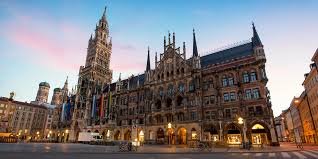
LMU Munich (Ludwig-Maximilians Universität)
Geschwister-Scholl-Platz 1, 80539 München , Germany
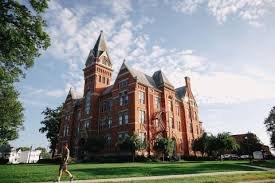
Heidelberg University
Grabengasse 1, 69117 Heidelberg , Germany

RWTH Aachen University
Templergraben 55, 52062 Aachen , Germany

Humboldt University Berlin
Unter den Linden 6, 10117 Berlin , Germany
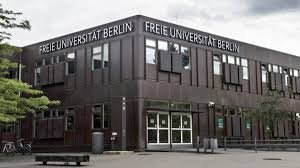
Freie Universität Berlin
Kaiserswerther Str. 16-18, 14195 Berlin , Germany
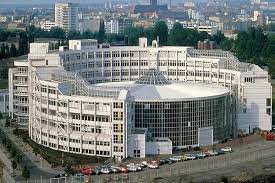
Technical University of Berlin
Straße des 17. Juni 135, 10623 Berlin , Germany



Frequently Asked Questions
Q1. Is Germany university waives tuition-fee for international students ?
Yes, in the case of most public universities in Germany international students get the fee waived for their tuition fee and also scholarships are offered to many governments owned universities in the field of IT, engineering, health & science and many others. However, to get the other living expenses they are also allowed to work part time jobs.
Q2. Do German universities also offer teaching in English ?
Yes, German universities also offer English teaching faculties, however it is only limited to the private universities.
Q3. Can international students get admission to study in Germany without knowing German ?
Yes. Many universities offer English-taught programs, in the German universities who do not know German language. However, it is expected that at least knowing basic German language so that they can work as their part time job in local areas.
Q4. How much do international students usually have to spend each month in Germany ?
Any international student usually has to cover the tuition fees and other living expenses of living in Germany and it may vary between €800–€1,500 per month. However, it may fluctuate as per their preferences and living standards that includes covering accommodation, food, health insurance, transport, and other miscellaneous expenses.
Q5. Do German universities also offer some of the scholarships programs ?
Yes. Many popular universities offer many scholarship programs in their respective universities under German education authorities. And there are many programs available under DAAD, Deutschlandstipendium, and others.
Q6. Do students get job opportunities after studying in Germany in multi streams ?
Yes, Germany
has 18-month post-study work visa opportunities for international students in
their desirable role. So, graduates are allowed to work in these periods of
time in their respective areas of engineering, IT, healthcare, and management
with the lucrative salaries
-
Email Address:
info@myflyboard.com
-
Phone Number
+91 9818024841
-
Our Address
311, Laxmideep Building,
Nirman Vihar, New Delhi, India